
Explore the Power of Non-GMO Organic Oils
In a world where health and wellness are becoming increasingly important, many people are turning to natural products. One area that has gained significant attention is the use of non-GMO organic oils. These oils are not only beneficial for cooking but also for skincare and overall health. In this post, we will explore the power of non-GMO organic oils, their benefits, and how to incorporate them into your daily routine.
Non-GMO organic oils are derived from plants that have not been genetically modified. This means they are grown without the use of synthetic pesticides, herbicides, or fertilizers. As a result, these oils are often considered healthier and more environmentally friendly than their conventional counterparts.
The growing demand for organic products has led to a surge in the availability of non-GMO organic oils. From cooking oils to essential oils, there is a wide variety to choose from. Let’s dive deeper into some of the most popular types of non-GMO organic oils and their uses.
Types of Non-GMO Organic Oils
1. Olive Oil
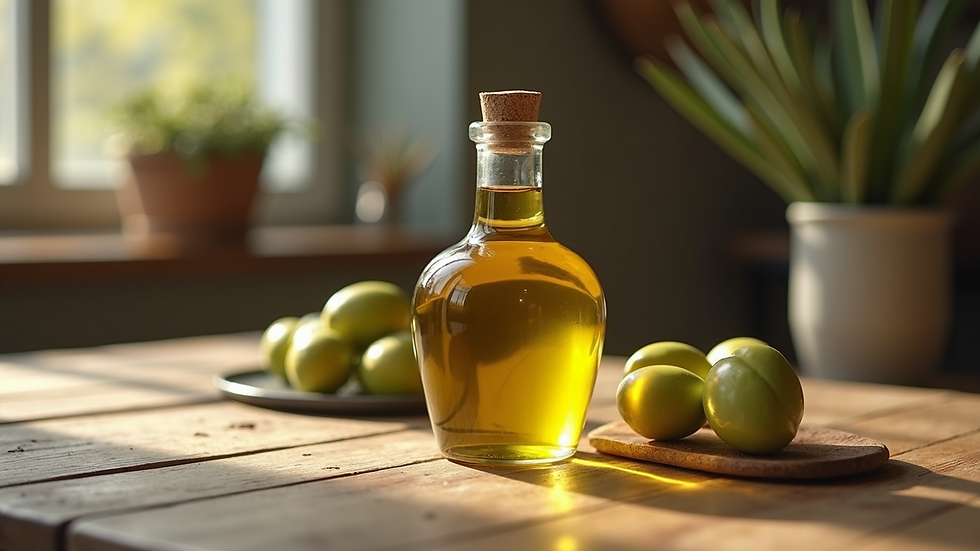
Olive oil is one of the most popular non-GMO organic oils. It is rich in healthy fats and antioxidants. Extra virgin olive oil, in particular, is known for its high quality and numerous health benefits.
Health Benefits: Olive oil is known to support heart health, reduce inflammation, and improve cholesterol levels.
Culinary Uses: It is perfect for salad dressings, marinades, and sautéing vegetables.
2. Coconut Oil
Coconut oil has gained popularity for its versatility and health benefits. It is solid at room temperature but melts easily when heated.
Health Benefits: Coconut oil contains medium-chain triglycerides (MCTs), which can boost metabolism and provide quick energy.
Culinary Uses: It is great for baking, frying, and adding a tropical flavor to dishes.
3. Avocado Oil
Avocado oil is another excellent choice for cooking and skincare. It has a high smoke point, making it suitable for high-heat cooking.
Health Benefits: Rich in monounsaturated fats, avocado oil can help lower bad cholesterol levels and improve heart health.
Culinary Uses: Use it for frying, roasting, or drizzling over salads for added flavor.
4. Flaxseed Oil
Flaxseed oil is packed with omega-3 fatty acids, making it a great addition to a healthy diet.
Health Benefits: It can help reduce inflammation and support heart health.
Culinary Uses: Flaxseed oil is best used in salad dressings or smoothies, as it should not be heated.
5. Hemp Seed Oil
Hemp seed oil is rich in essential fatty acids and has a nutty flavor.
Health Benefits: It can support skin health and reduce symptoms of eczema and psoriasis.
Culinary Uses: Use it in salad dressings or as a finishing oil for dishes.
Benefits of Using Non-GMO Organic Oils
Healthier Choices
One of the main benefits of using non-GMO organic oils is that they are healthier. They are free from harmful chemicals and additives, making them a safer option for you and your family.
Environmental Impact
Choosing non-GMO organic oils also has a positive impact on the environment. Organic farming practices promote biodiversity and reduce pollution. By supporting these products, you are contributing to a healthier planet.
Versatility
Non-GMO organic oils are incredibly versatile. They can be used in cooking, baking, and even skincare. This makes them a valuable addition to any household.
Flavor Enhancement
These oils often have richer flavors compared to conventional oils. This can elevate your dishes and make your meals more enjoyable.
How to Incorporate Non-GMO Organic Oils into Your Daily Routine
Cooking
Start by replacing your conventional cooking oils with non-GMO organic options. Experiment with different oils to find the flavors you enjoy most.
Skincare
Many non-GMO organic oils can be used in skincare routines. For example, coconut oil can be used as a moisturizer, while avocado oil can be applied to the skin for hydration.
Salad Dressings
Create your own salad dressings using non-GMO organic oils. Combine olive oil with vinegar, herbs, and spices for a delicious and healthy dressing.
Smoothies
Add flaxseed oil or hemp seed oil to your smoothies for an extra boost of nutrition.
DIY Products
Consider making your own beauty products using non-GMO organic oils. You can create lip balms, body scrubs, and more with simple ingredients.
Choosing the Right Non-GMO Organic Oils
When selecting non-GMO organic oils, it is essential to look for quality products. Here are some tips to help you choose the best oils:
Check Labels: Look for oils that are certified organic and non-GMO.
Choose Cold-Pressed: Cold-pressed oils retain more nutrients and flavor compared to refined oils.
Consider Packaging: Dark glass bottles help protect oils from light, which can degrade their quality.
Research Brands: Look for reputable brands that prioritize quality and sustainability.
The Future of Non-GMO Organic Oils
As more people become aware of the benefits of non-GMO organic oils, the demand for these products will likely continue to grow. This shift towards healthier and more sustainable options is encouraging for both consumers and the environment.
In the coming years, we may see even more innovative products and uses for non-GMO organic oils. From new culinary applications to advancements in skincare, the possibilities are endless.
Final Thoughts
Embracing non-GMO organic oils can lead to a healthier lifestyle and a more sustainable future. By choosing these oils, you are making a conscious decision to support your health and the environment.
So, whether you are cooking, baking, or caring for your skin, consider the power of non-GMO organic oils. They are not just a trend; they are a step towards a healthier and more natural way of living.


Comments